A great product failing in the market is rarely a product problem, it is almost always an execution problem.
In the early days of Apple Inc., the contrast between its two founders made this reality clear. Steve Wozniak was an exceptional engineer: methodical, inventive, and deeply focused on building elegant, functional computers. He created machines that were years ahead of their time. Yet, left on their own, these innovations may have remained within hobbyist circles, appreciated but largely unseen by the broader market.
What transformed those creations into a global movement was Steve Jobs. Jobs understood that building a product was only half the equation. The other half, often the harder half, was shaping how the market perceives, understands, and desires it. He didn’t just sell computers. He told stories about possibility, creativity, and empowerment. He translated technical brilliance into emotional relevance.
This dynamic illustrates a fundamental truth in commercial execution: value is not realized at the point of creation, but at the point of adoption. Without effective go-to-market execution, clear positioning, compelling narrative, and disciplined delivery, even the most advanced product struggles to gain traction.
Many organizations fall into the same trap Wozniak could have. They invest heavily in building superior products, assuming that quality alone will drive demand. But markets do not reward potential, they reward clarity, accessibility, and resonance. Customers do not buy what they do not understand, and they rarely adopt what is not positioned within their context.
Commercial execution bridges this gap. It aligns product capability with market perception. It ensures that innovation is not only built, but communicated, distributed, and consistently reinforced. This requires more than marketing. It demands an integrated system where product, messaging, sales, and customer experience work in unison.
Innovation creates opportunity, but execution captures it. Steve Wozniak built the foundation, but Steve Jobs brought it to life in the market. Together, they demonstrate that success is not defined by what a product is, but by how effectively it is delivered to those who need it.
In today’s landscape, this principle is even more critical. Markets are crowded, attention is limited, and competition is relentless. A great product is no longer a differentiator. It is the baseline. The true advantage lies in execution and the ability to consistently translate value into demand, and demand into growth.

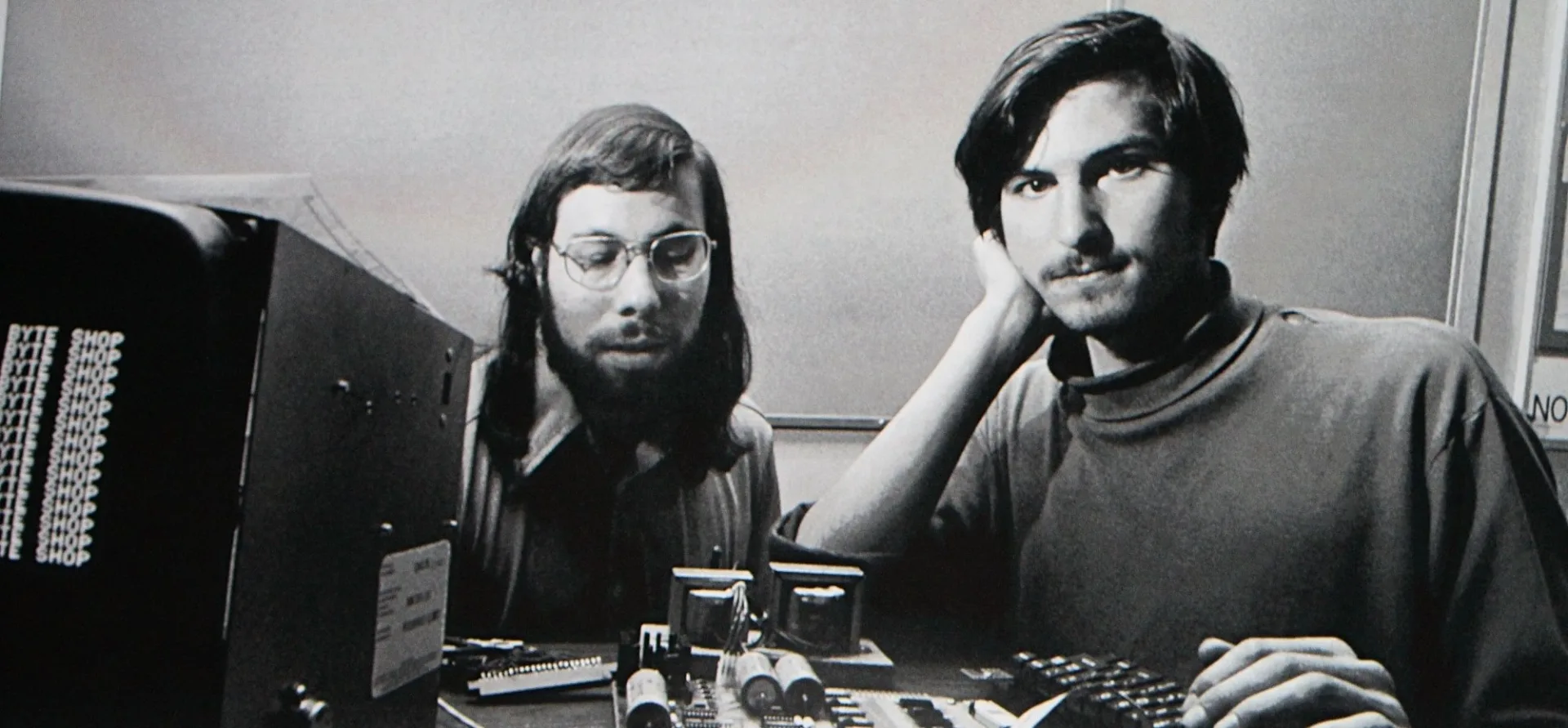
You Need Two Steves
A Genius Needs A Voice and A Voice Needs A Genius.